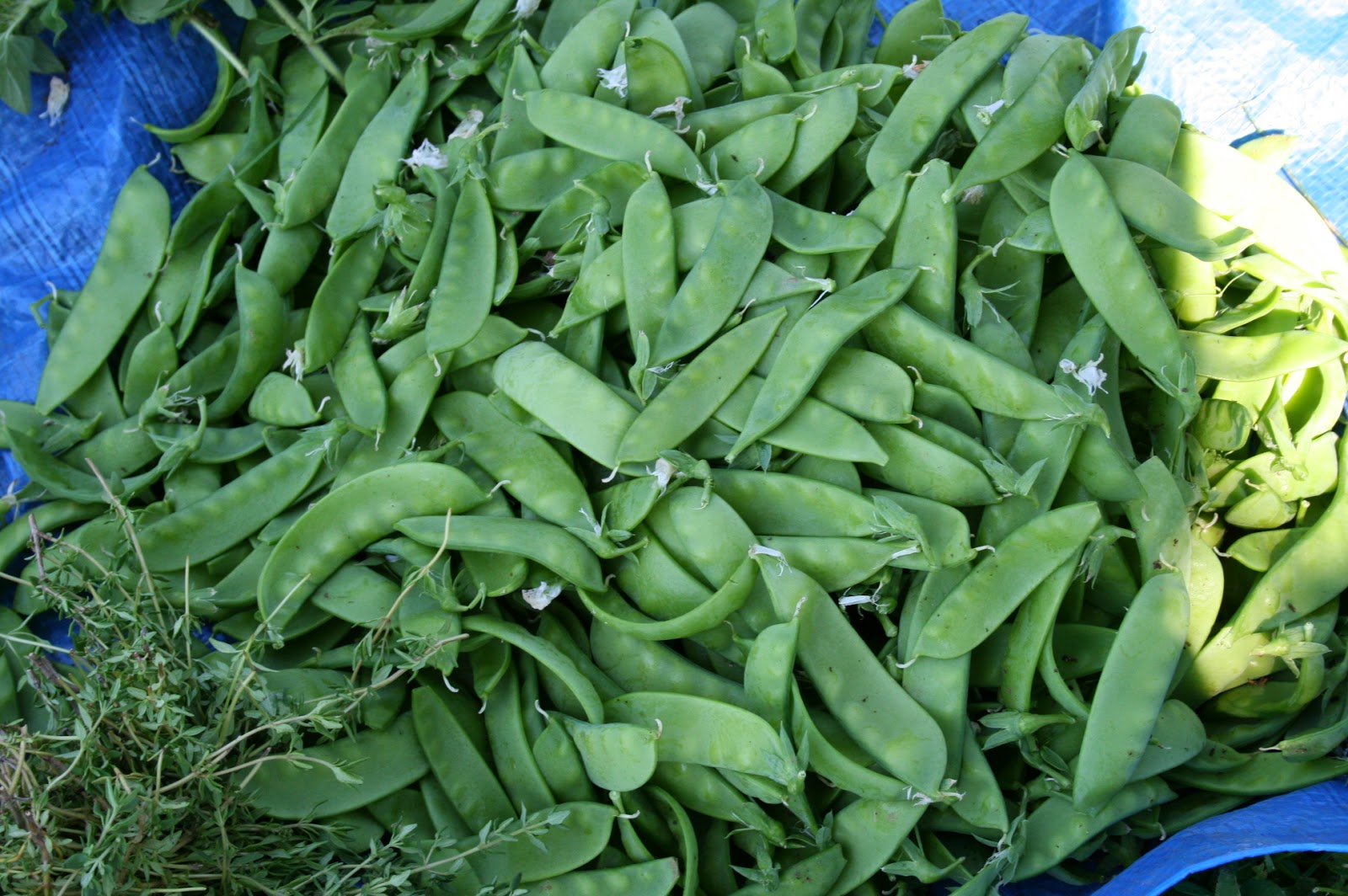
Here's the latest.
Saturday, August 23, 2014
There continues to be lots to harvest and today garden members went home with tomatoes, pepper, beets, broad beans, Rainbow Swiss chard, eggplants and Japanese eggplants, and some kale. A small number of the first okra were also picked.
As summer ends we're starting to plant some cold crops. Two rows of bean plants were pulled after harvesting with plans for garlic to be
planted next week. Spinach seeds were planted in an additional bed.
Wednesday, August 27, 2014
Tuesday, July 22, 2014
Catching up on July's blog workday blog posts
Between vacation and baking zucchini bread, I've fallen behind on the blog. And this information from Naomi does not include our most recent work day! But here goes, anyway, with some pics:
June 22, June 28, 2014
Vegetables picked:
Beets, Lettuce, Turnips, Red
and Green Cabbages, Kale, Purslane, Rhubarb, Zucchini, Herbs, Green
Beans, Sugar Peas ----All the vines were pulled out, sugar peas were
removed
Weeding:
Strawberry and Asparagus Beds
Seeds Planted:
Cucumber seeds were planted on north side of wire fencing where sugar peas were.
Bush string beans were planted on south side.
July 6
There
were only 18 households on July 6, due to the holiday weekend but lots
still got accomplished. Most of the cabbage was harvested, some parsley,
lots of lettuce, beets, hugs zucchini, beans, paddy pan squash, all the
broccoli, kale, and our first substantial looking carrots ever. The
bean plants were cleared from bed 14 and a succession crop will be
planted. Straw was placed in the butternut squash and strawberry beds to
help contain the weeds and keep moisture in. Wood chips were spread
along the east side of the garden.
July 12, 2014
Our
numbers were back up with 34 households working this past weekend. In
spite of the heat a garden crew planted 6 peach trees along the south
end of the garden - including 4 dwarf trees. Larry purchased them on
sale at Home Depot and we can expect our first harvest next year. A hose
was extended to the trees with the water on a timer and a ground-level
sprinkler installed to keep the roots moist.
Short
cages were made for eggplants and some taller ones for the few heirloom
tomatoes donated by Anne. Wood chips were spread along the west fence
line.
Straw was spread in the asparagus beds. The cumber plants were thinned to one plant per foot.
Beet seeds were planted.
Lots
of weeding got done and while there were crops to harvest, the output
was on the smaller side than usual. However, a donation was still made
to Our Daily Bread with thanks to Martha for delivering it.
Crops harvested: zucchini, Swiss chard, broad beans, heat tolerant lettuce, parsley, herbs.
Saturday, July 5, 2014
How to Grow Vegetables: Notes from Larry's Talk
Larry Kloze gave a talk at the
garden on Monday evening, June 16, 2014. This is a summary of some of
the points of his tour and talk:
Raised beds provide additional
root space for plants.
We utilize wide row, intensive
planting; plants are close together so it’s difficult to see the soil, and
therefore there are few weeds as the sun is blocked.
Kale, Swiss chard, and
collards are planted in the spring and last though the summer.
Due to a very cold winter this year we anticipate far fewer
bugs.
Succession Planting (a kind of rotation planting) uses the same bed for several
crops; e.g.
After a bed of lettuce is harvested beans are planted in the bed. After the beans
are harvested beets are then planted.
Horse radish serves as a “catch crop” for bugs.
Bush beans require no support. Pole beans, which are equally
prolific, don’t require you to bend over to pick them.
In our organic garden, no chemical fertilizers or pesticides
are used. Plants need food and the mushroom compost helps replenish the
plants.
The text, Crockett’s
Victory Garden, describes mixing in new compost to renew nutrients when one
crop is finished.
Mulch can be used in beds to both suppress weeds and retain
moisture.
Triangulate planting takes up less space and maximizes the
number of plants per bed.
Companion Planting – when two plants go well together and can
be planted simultaneously; e.g. bushes under trees, or shallow rooted plants
(tomatoes) with deep rooted plants (carrots) There is a text with the title Carrots Love Tomatoes.
Garden water Is provided by the city and we currently use
dozens of connected hoses to access water from down the hill. As a result there
is very low water pressure making it impossible to water the entire garden all
at once. To solve this problem the
water timers are set to four different zones in the garden. It’s best to water
at night. If there’s no rain we water every other day. One inch of water a week
is sufficient for the crops. There is a simple measuring device in the garden
to keep track of how much water the garden gets each week.
This year Swiss Chard was protected this year from leaf miters that
tunnel into the leaves. This was done by covering the crop with a spun fabric, reemay, that
still allows water, sun, and air to penetrate. This is in contrast to last
year’s problem with cucumber beetles. This crop can’t be covered because it
needs to pollinate – and the crop was lost.
There are two kinds of tomato plants, determinate and
indeterminate. Determinate plants stop growing while indeterminate plants keep
growing. This ever-growing kind of plant is typical of those producing big
sandwich tomatoes.
You can freeze whole tomatoes in a plastic bag. You can
freeze peppers after pulling the seeds out. There’s no need to blanche these vegetables before freezing and they can be used
for spaghetti sauce upon defrosting.
Tomatoes and peppers like acidic soil (low ph) and we
augmented the soil with lyme when planting them this year. For high ph soil,
add sulfur in the form of match tips.
Plant tomato plants on their side. Take off all but the
uppermost leaves. Dig a trench. Pillow the soil for the leaves. Tomatoes sprout
new roots from their stems and this process will increase the root area and
produce more vigorous plants.
It takes 6 feet of space for 3 watermelon plants in a bed vs.
the very dense plantings that beets and beans thrive on – consequently yielding
much more food per sq. ft.
Containment is an important concept, particularly in urban
gardening (maximizing land use); e.g. have peas grow up on a fence in order to use less land.
Cucumbers grown on the ground become yellow on the bottom
side that lies on the dirt. This is not the case when they are grown on trellises.
To avoid the time consuming, pain staking process of thinning
carrots, mix the seeds with rice or sand and then sprinkle the mixture to plant
the crop.
In the past you could never make a BLT sandwich using the L
& T from the garden as they are harvested at different times. This year the
heat tolerant lettuce should make this a possibility.
The composter is the “heart of the garden” and needs to be
cared for as you would a pet. You “work” the compost; it needs to be turned in
order to aerate it, chopped, and watered. It is a habitat for micro-organisms.
No oil products should be added to the compost - they keep the material from
breathing. Don’t let weeds go to seed before adding them to compost. Otherwise
a temperature of 160 degrees F. should kill the weed seeds.
Peas won’t survive into summer as they are a cool crop
vegetable. Cucumbers will be planted in the pea bed after the peas are
harvested and the trellis used again for the cucumbers.
Beets are a wonderful crop to interplant as they have shallow
roots and grow low. They also are heat tolerant and grow all summer.
Pyrethrum and diatomaceous earth, organic products, are being
used on the eggplants to battle bugs. (Thank you Robin!)
Last year’s zucchini crop was destroyed by vine borers. One
solution is to slit the stem and remove the borer.
Zucchini, okra, and cucumbers may grow so fast as to warrant
a mid week harvest.
The Perennial Garden:
When you cultivate perennials in a regular vegetable garden,
you risk disturbing the perennial plants when planting annual crops. Therefore
the garden has designated separate beds for perennials.
Asparagus take three years to establish but live 50-60 years.
Rhubarb leaves are POISONOUS. Just eat the stems.
Thursday, June 19, 2014
Workday, June 14, 2014
Planted half a bed with okra seeds
Finished making cages and staking of tomato plants
Thinned and harvested both types of heat-tolerant lettuces.
Flea beetles have damaged the eggplant crop and Robin continues to try
and combat them with organic spray. We may plant additional plants -
if they can be found.
Evenly redistributed the butternut squash plants that have emerged and
spaced them out evenly.
Spread woodchips by the squash beds.
Finished staking the asparagus plants.
Weeded, and weeded, and weeded.
Harvested snow peas, beans, cabbage,beets, turnips, all the remaining
kohlrabi and red lettuce.
Tuesday, June 10, 2014
Sunday, June 8, 2014
30 households, lots of work, and plenty to harvest. Tomato cages were
made to replace some of the older, worn cages. Turnips and beets were
thinned, wire and metal supports were installed in the asparagus bed,
the perennial beds were weeded, and wood chips continued to be spread
throughout the garden on the pathways. Though much of the broccoli
crop had flowered there was still some to harvest and then the entire
bed was cleared. The other harvested crops consisted of kale, Swiss
chard, snow peas, beets, turnips, more kohlrabi, red leaf and romaine
lettuce. There was plenty for Our Daily Bread and thanks go to Scott
and Joanne for making this week's delivery.
Friday, June 6, 2014
Growing right along.....
Saturday, May 31, 2014
Lots
got harvested today including broccoli, butter crunch and romaine
lettuce, beets, all the arugula, all the radishes, and all the kolhrabi.
The turnips were thinned as were the carrots and the heat-resistant
lettuce. Falling pea plants were trained, derby beans planted, compost
turned, wood chips spread, and cages were placed around the pepper
plants. The perennial beds were weeded and shaped.
Friday, May 23, 2014
Let the Harvest begin!
Saturday, May 17, 2014
We
began planting summer crops including pepper plants, eggplants,
zucchini, basil, Early Girl and Celebrity and Roma tomatoes, heat
tolerant lettuce, and Patti Pan squash. Sulphur was sprinkled in each
hole prior to planting the pepper and tomato plants to increase the soil
acidity for best results.
Another
busy and productive workday. We harvested the spinach which was getting
closer to bolting and going to seed. A clear sign of this can be seen
as the spinach leaves take on a more pointed shape. Buttercrunch
lettuce, arugula,
radishes, and kale were also harvested. We were able to make our first
contribution of the year to Our Daily Bread and appreciate Maria
delivering the food to them.
Many thanks to
Larry and Vicki for driving out to Papa John's (aka Schillinger's Farm)
in Severn, MD this week to purchase our summer-harvest plants at
wholesale prices. It's another reason why our expenses remain so low.
Thanks
also to our garden planners, Jane, Kathy, Laura, Roberta, and Phoebe,
for helping to make order from chaos. It's a challenge to design the
placement of the crops to maximize the yield for 59 households and they
continue to work on it weekly, adapting to both the health of the plants
and ever-changing harvest schedules, as well as plant availability.
And more thanks to Robin who has created a clever design for beautiful signs for all the crops that she has hand-made.
Tuesday, April 29, 2014
Garden Workday Schedule -2014
Saturday, May 3
Sunday, May 11 (Mother's Day)
Saturday, May 17
Sunday, May 25 (Memorial Day Weekend)
Saturday, May 31
Sunday, June 8
Saturday, June 14
Sunday, June 22
Saturday, June 28
Friday, July 4 - Garden/Parade Activities
Sunday, July 6
Saturday, July 12
Sunday, July 20
Saturday, July 26
Sunday, August 3
Saturday, August 9
Sunday, August 17
Saturday, August 23
Sunday, August 31
To be continued...
(Last year we were still working in the garden late into October and even had a pre-Thanksgiving harvest.)
As always, the schedule is subject to change
Monday, April 28, 2014
April 27th and Arugula Pesto
April 27, 2014:
Robin came by this past week and surprised us with new, beautiful
installed signs for the beds!
Leeks were planted today
Chives, oregano, and thyme were transplanted to the new perennial
garden bed
Compost was added to all the perennial beds
Dill seeds were planted
The 13 newly planted trees were watered
Spinach and chives were harvested
Correction: 13 city trees were planted last week (not 18)
Next workday, Saturday, May 3, 2014 at 10:00 a.m.
And Chester sent a link to a recipe for arugula pesto:
http://www.simplyrecipes.com/recipes/arugula_pesto/
Sunday, April 20, 2014
Today the city delivered 18 trees that were planted along Enslow
Avenue. Most of the work was done by the garden members though word
had gone out that this was to have been a community event.
Regardless, tupelos (sweet gum), persimmons, red buds, hackberries,
swamp white oaks, and white oaks were planted, two of each, and one
white pine as well. Garden members will be watering the trees weekly
during the next several months.
Garden work that got done today included: Finishing the bed
preparation for the perennials; Planting strawberries; Adding compost
around the cabbage, broccoli, and cauliflower plants as they had not
been planted deeply enough; Cleaned up the radicchio bed, leaving the
plants and interplanting turnip seeds in the bed; And harvesting
spinach - enough for all the 34 households who worked today.
Many thanks to Jane who produced two magnificent water-proof boards
illustrating all 21 beds and chronicling what was planted where and
when. They serve an additional purpose as they were used to indicate
what work needed to be done today by tacking on post-its indicating
what tasks needed to be done. It worked very well and is most
appreciated. We're so glad that Jane has just retired!
Saturday, April 5, 2014
April 5th Workday
Monday, March 31, 2014
Rained out, Maybe next week.
Mushroom compost is for sale again at the same bargain price of $5 for a a garbage bag full.
Pick it up at your convenience and pay up when you come to a workday.
And here's a summary of what was accomplished last Sunday:
33
households showed up including 5 new members! Lots of compost was
worked into the garden beds. About a third of the new mushroom compost
supply was used along with our own home-made compost. Lots of weeding
was done and, sadly, it appears the harsh winter destroyed our garlic
crop. In response to a call for volunteers, Jen agreed to take the lead
in working with our new strawberry crop and Allen will do the same for
the raspberries. Jodi, Todd, and Paula are interested in working on weed
control, and we continue to need someone to be in charge of the
"automatic" watering system.
Thursday, March 20, 2014
Spring has Sprung (we hope)
2014 Workday Schedule
We meet at 10:00 a.m.
Sunday, March 23
Sunday, March 30
Saturday, April 5
Sunday, April 13
Saturday, April 19
Sunday, April 27
Saturday, May 3
Sunday, May 11
Saturday, May 17
Sunday, May 25
Saturday, November 30, 2013
The Garden That Keeps on Giving -Sunday, November 24, 2013
~Naomi
Thursday, October 24, 2013
A Few More Weeks To Go.....
We have continued to consistently have weekly workdays and the garden
keeps on giving. We'll even be doing more harvesting and composting this Sunday, October 27.
This past month we have gradually been putting the beds "to bed" by cleaning them up and planting clover seeds for the winter. Last week tomatoes and eggplants were fully harvested, the plants removed, and
tomato cages stacked by the side of the fence. The beds were weeded,
composted, tilled and raked -- in preparation for next season's
planting. The compost was turned as the plants from the eggplants and
tomatoes were broken up and added to the compost.
Harvested: tomatoes, eggplants, chard, arugula, spinach, beets,
herbs, marigolds, jalapenos
Monday, September 23, 2013
September 21st Work Day
Saturday, September 21
We planted garlic cloves and radish seed, then tackled the poke weed that had overgrown the new garden bed area. Also, we thinned out the radicchio and h
arvested tomatoes, eggplants, beets, Swiss chard, arugula, all the remaining Chinese cabbage, and some butternut squash.
Larry estimates that there will only be three more workdays this year as we continue to prepare for winter.
Tuesday, September 17, 2013
Starting to Wind Down
Sunday, Sep. 15, 2013
Naomi writes:
Minor repair work was needed today as we discovered the fence had been torn along the lower gate. The garden was clearly broken into but no damage was done.
We have a lush crop of green Treviso Radicchio thanks to seeds from Italy that Melanie provided. However, "googling" needed to be done to determine when and how to harvest this. The green leaves are very bitter and research determined we need to wait to harvest in the colder weather. This should lessen the bitterness.
Crops that were harvested today: all the red leaf and romaine lettuces and Chinese cabbage, as they were starting to bolt, butternut squash, jalapenos, beans, eggplants, and tomatoes, and arugula.
Many thanks to Maria for again taking the food donation to Our Daily Bread.
-----------------
Melanie wrote in with information about radiccio:
This is the best website I could find that answers our questions about the radiccio treviso in our garden.
And Maria wrote in about celariac:
This
is my choice for doing something new with celeriac. If any of you have
some celeriac you will not be using, please let me know and I will add
it to the "Pot-Roast".
http://www.epicurious.com/recipes/food/views/Pot-Roasted-Celery-Root-with-Olives-and-Buttermilk-394712
Monday, September 9, 2013
Sunday, September 8, 2013
Lots of harvesting today: Tomatoes, Swiss chard, beans, romaine and red-leaf lettuce, Chinese cabbage, celeriac, beets, thyme, basil, some
zucchini and cucumbers - and a tub of food for Our Daily bread.
Thanks to Maria who made today's delivery.
The empty bean bed was reworked and planted with clover seeds to ready it for winter. Seems this is referred to as "green manure" as the clover then nourishes the soil when we mix it back into the beds come
springtime.
Spinach was planted. Garlic should go in next week.
The mulcher that was donated to the garden this year was used today for the first time. It helped to further break down yard "waste" going into the compost bin.
Tuesday, September 3, 2013
Two Weeks in Late August
Naomi writes:
Check out the new garden chairs
Getting the beds ready for planting.
Sunday, August 25
22 families yesterday. We harvested chard, tomatoes, jalenpeno peppers, beets, leeks, beans, and herbs. We also planted the fig tree we were awarded in the front corner of the garden by the bench. Green pepper plants were pulled and fava beans and Chinese cabbage seedlings were planted. Larry demonstrated a garden "chair" and Art volunteered to purchase six of them for the garden and for any interested members.
Saturday, August 31
There was a large turnout of 28 families today given that it was Labor Day Weekend. Art delivered the chairs which were used and then hung in the garden shed. A bed of beans was harvested and pulled, preparing it for next week's plantings of spinach and garlic.
There were barely any zucchini or cucumbers this year due to insect borers and Larry has generously been sharing some of each from his own home garden.
Weeding was done in the asparagus bed as well as the second new bed outside the garden.
Harvest included tomatoes, beans, red leaf and romaine lettuce, leeks, celeriac, and beets.
22 families yesterday. We harvested chard, tomatoes, jalenpeno peppers, beets, leeks, beans, and herbs. We also planted the fig tree we were awarded in the front corner of the garden by the bench. Green pepper plants were pulled and fava beans and Chinese cabbage seedlings were planted. Larry demonstrated a garden "chair" and Art volunteered to purchase six of them for the garden and for any interested members.
Saturday, August 31
There was a large turnout of 28 families today given that it was Labor Day Weekend. Art delivered the chairs which were used and then hung in the garden shed. A bed of beans was harvested and pulled, preparing it for next week's plantings of spinach and garlic.
There were barely any zucchini or cucumbers this year due to insect borers and Larry has generously been sharing some of each from his own home garden.
Weeding was done in the asparagus bed as well as the second new bed outside the garden.
Harvest included tomatoes, beans, red leaf and romaine lettuce, leeks, celeriac, and beets.
Sunday, August 18, 2013
Saturday, August 18, 2013: Harvesting
Saturday, August 18, 2013
A short work morning today with only harvesting to be done. Tomatoes, eggplants, herbs, celeriac, leeks, beets, and beans were the crops that were picked and distributed amongst the 28 families that came to work. Several specimens were taken by Roberta to be submitted to the produce competition tomorrow at the Cylburn Arboretum.
Wednesday, August 14, 2013
Tomatoes!
This Sunday we rehabilitated the zucchini bed as squash vine borers succeeded in destroying the crop. Arugula seeds were planted in the cleaned bed. Weeding was done throughout the garden, particularly in preparation for the return of the judge this week as the garden has
made it into the finals of the Baltimore City Community Garden Competition. An abundance of tomatoes were harvested along with eggplants, Swiss chard, beans, beets, cucumbers (a few) and herbs. Thanks go to Aaron who delivered harvested food to Our Daily Bread.
And Roberta sent the following link for next Sunday's event:
Friday, August 2, 2013
Sunday July 28th
Lots of weeding was done. Lettuce and Chinese Cabbage seedlings were transplanted. Mulch was turned. The harvest consisted of tomatoes, eggplants, Swiss chard, leeks, a couple of zucchini, Chili peppers, and herbs; basil, rosemary, oregano, and thyme.
The garden looks clean, lush, and ready for the Charm City judges this week.
Subscribe to:
Posts (Atom)